Sanatorium and Resort Infrastructure of Crimea
A component of the infrastructure of Crimea covering development, nationalization, war destruction, post-war stagnation (1944–1954), and the subsequent construction of new sanatorium health complexes with innovative design and engineering solutions.
Overview
The formation and functioning of Crimea's sanatorium and resort industry passed through several key stages: predatory nationalization of tsarist palaces, private estates, and dachas under V. Lenin's decree (December 1920) and M. Semashko's commission; the rapid displacement of worker-peasant clientele by party-economic nomenclature and security forces; colossal wartime destruction (109 out of 195 sanatoriums destroyed); a decade-long post-war stagnation (1944–1954) due to the absence of urban master plans, acute drinking water shortages, and a lack of sewage networks; and the subsequent construction in the 1950s–1970s of new large-scale health resorts (Miskhor, Alushta, Yalta) utilizing unique earthquake-resistant and engineering solutions.
Key Details / Subtopics
- Nationalization and Interwar Period (1920–1940):
- In December 1920, the commission of the People's Commissar of Health Mykola Semashko registered private estates, palaces, and hotels (in Yalta alone — 65 buildings: 24 for sanatoriums, 41 for rest homes).
- During the interwar period (1921–1940), about 3.5 million people visited the sanatoriums (over 300 thousand per year in the mid-1920s).
- In the interwar years, only a few large facilities were built ("Dolossy", "Zolotyi Pliash", "Kuropaty", departmental sanatoriums in Hurzuf). In 1925, on the initiative of Z. Soloviov, the children's camp "Artek" was founded between Vedmid-Hora and Hurzuf.
-
The social composition changed rapidly: the worker clientele was displaced by the party-economic nomenclature, the military, NKVD, and prosecutors, while prestigious facilities were converted into government residences.
-
Wartime Destruction and Post-War Stagnation (1944–1954):
- During World War II and the German occupation, 109 of Crimea's 195 sanatoriums were destroyed (specifically in Yalta, 20 sanatoriums and the Institute of Medical Climatology were destroyed; the Small Livadia Palace was burned down, the Great Palace was damaged, and the park was felled).
- During 1944–1954, recovery proceeded extremely slowly and disproportionately: priority was given to rebuilding the residences of Kremlin leaders (Livadia by the summer of 1944) and departmental sanatoriums of the Ministry of Defense, NKVD, and Prosecutor's Office, while trade union health resorts remained in decay.
- As of 1954, the 160 operational sanatoriums accommodated only 250,000 people per year (120,000 fewer than in 1940).
-
According to the report by the All-Union Central Council of Trade Unions (VTsSPS) commission (O. Voronov, H. Podhurskyi) for the First Secretary of the Central Committee of the Communist Party of Ukraine O. Kyrychenko following an inspection from May 28 to June 7, 1954, and the report by V. Chernyshov, urban master plans for resort towns appeared only in the late 1940s and early 1950s. The planned construction of sanatoriums for the Union Prosecutor's Office, the Ministry of Coal Industry, "Kastropol", "Komunist", and Aviaprom had not even begun by 1954.
-
Municipal and Environmental Crisis (Early 1950s):
- According to report notes by V. Oriekhov (1954), the VTsSPS report (O. Voronov, H. Podhurskyi), and government reports of the UkrSSR, resorts suffered from water shortages (40–50 liters of drinking water per day per vacationer).
- In Yevpatoria, out of 43 sanatoriums, 22 remained destroyed, the "Moynaky" mud clinic was in ruins, and there was no running water supply (water was delivered in barrels).
- In Feodosia, the Baybuha River flooded the city, its water was not used for irrigation, and the road to Golden Beach remained unpaved.
- In Alushta, the VTsSPS sanatorium "Metalist" was in a neglected state, and the lack of an urban planning project for "Robochyi Kutok" delayed the development of the area.
- In Bakhchysarai, the central Lenin Street leading to the Khan's Palace and the cave city of Chufut-Kale was neglected, and monuments were left unprotected. The tourist base on Mount Ai-Petri was cluttered with temporary structures.
- The lack of sewage networks and treatment facilities led to fecal waste being discharged directly onto the beaches (Feodosia, Kerch, Alushta, Massandra Beach in Yalta), causing unsanitary conditions and a high risk of infections.
-
In Koktebel, the military department (PO Box No. 46) and in Partenit, quarries extracted crushed stone and diorite directly from the beaches, destroying the coastal strip. The resort-wide Hurzuf Park containing the house of A. Pushkin was closed to the public and transferred to the Ministry of Defense and the Supreme Soviet of the USSR.
-
Innovative Projects of the Second Half of the 20th Century:
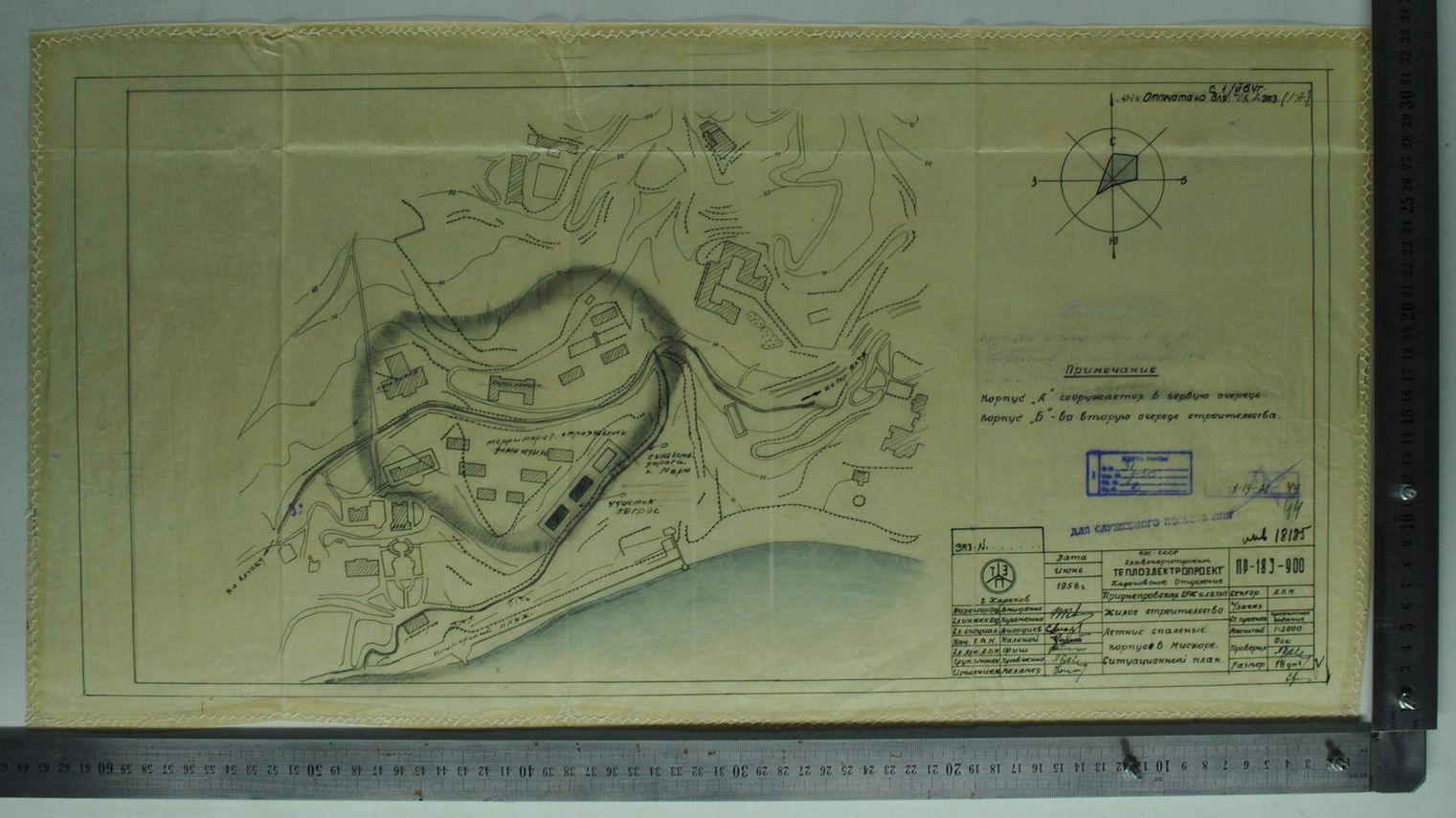
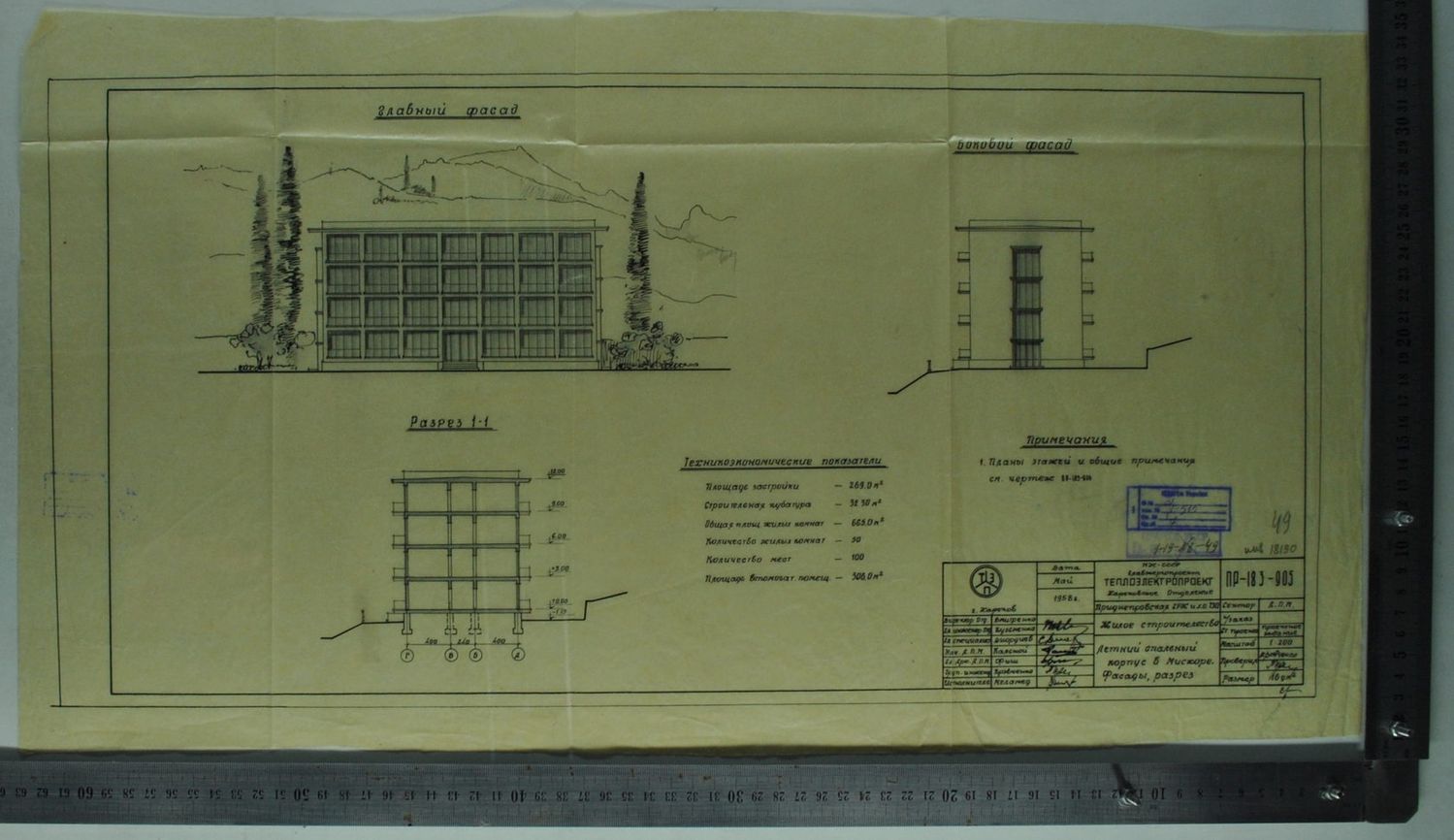
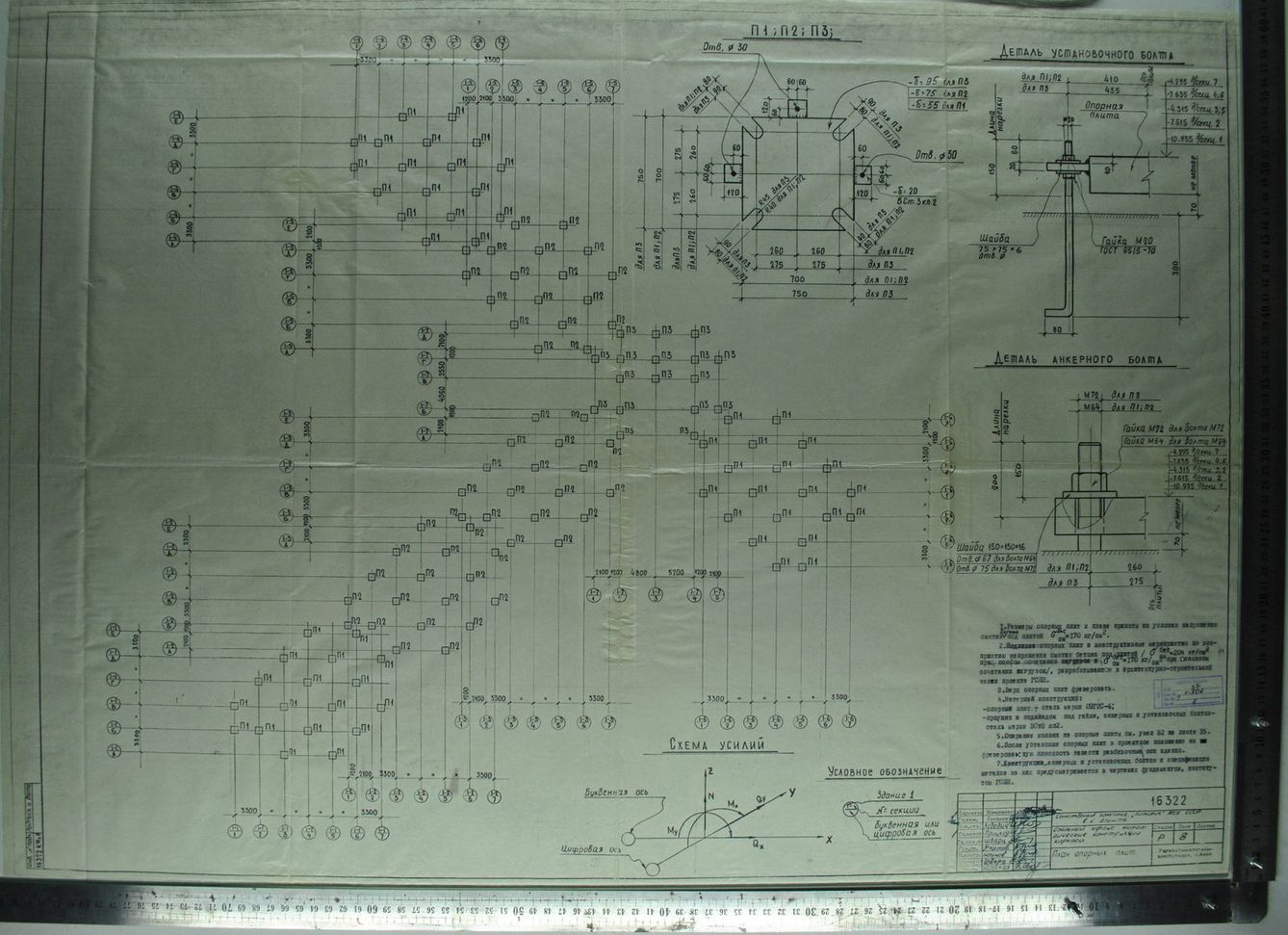
- Rest Home in Nyzhniy Miskhor (Yalta, 1959): 12 four-story residential blocks (100 beds) built considering the high seismicity of the region.
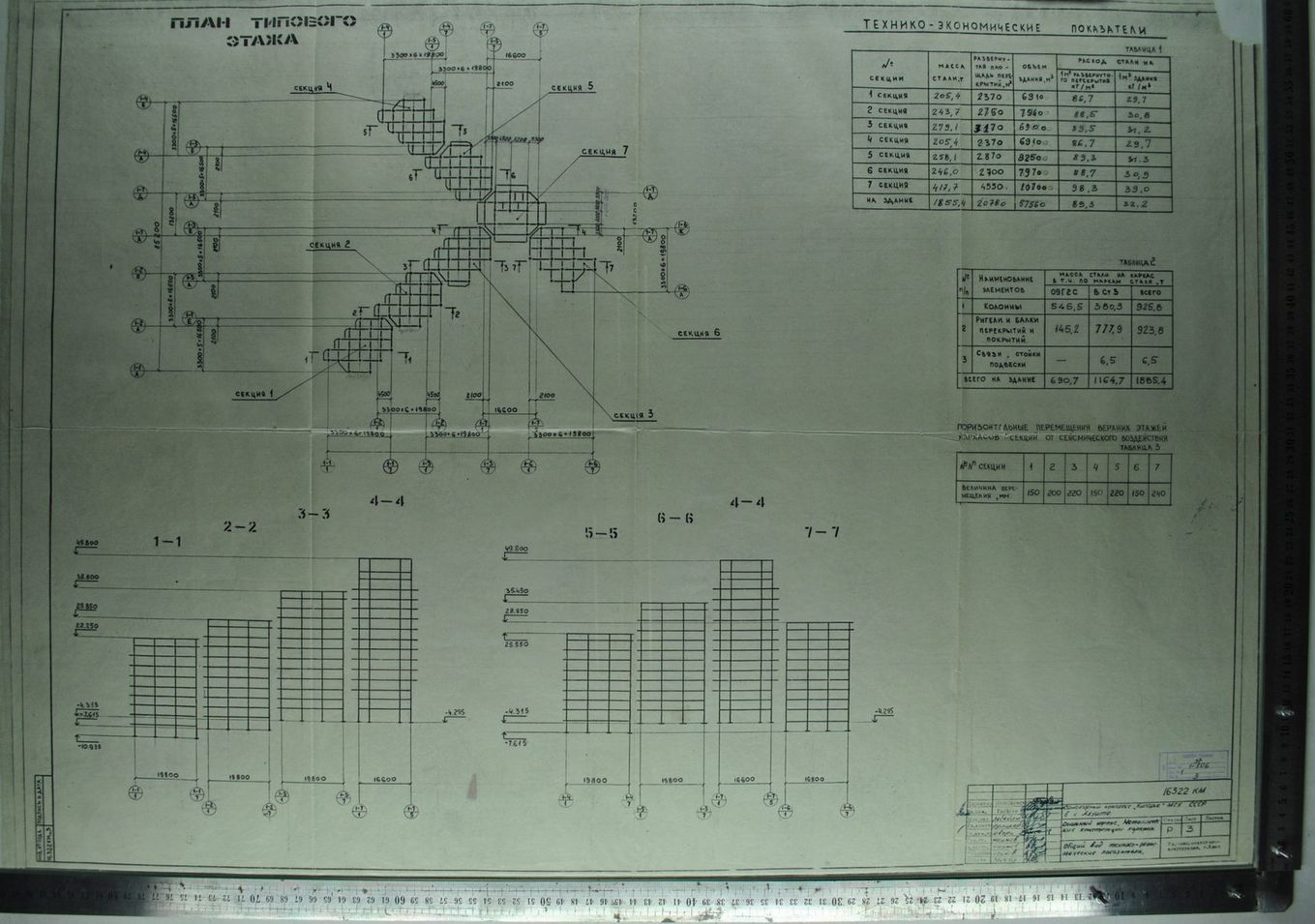
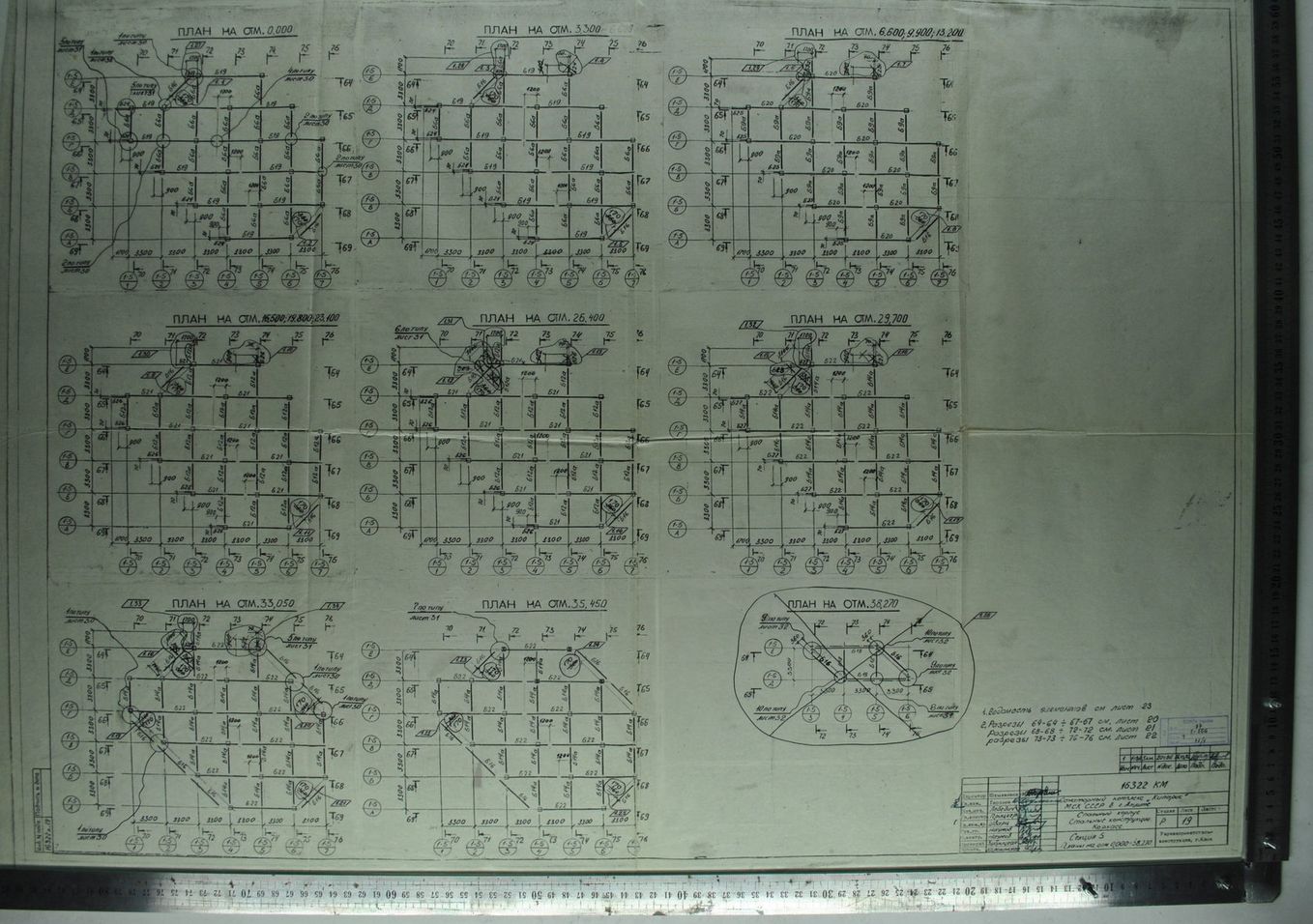
- "Kyparys" Sanatorium Complex (Alushta): T-shaped 7-section building (hub section of 16 floors, 53.2 m) with an innovative rigid steel frame and through-node cover plates (author's certificate No. 607907).
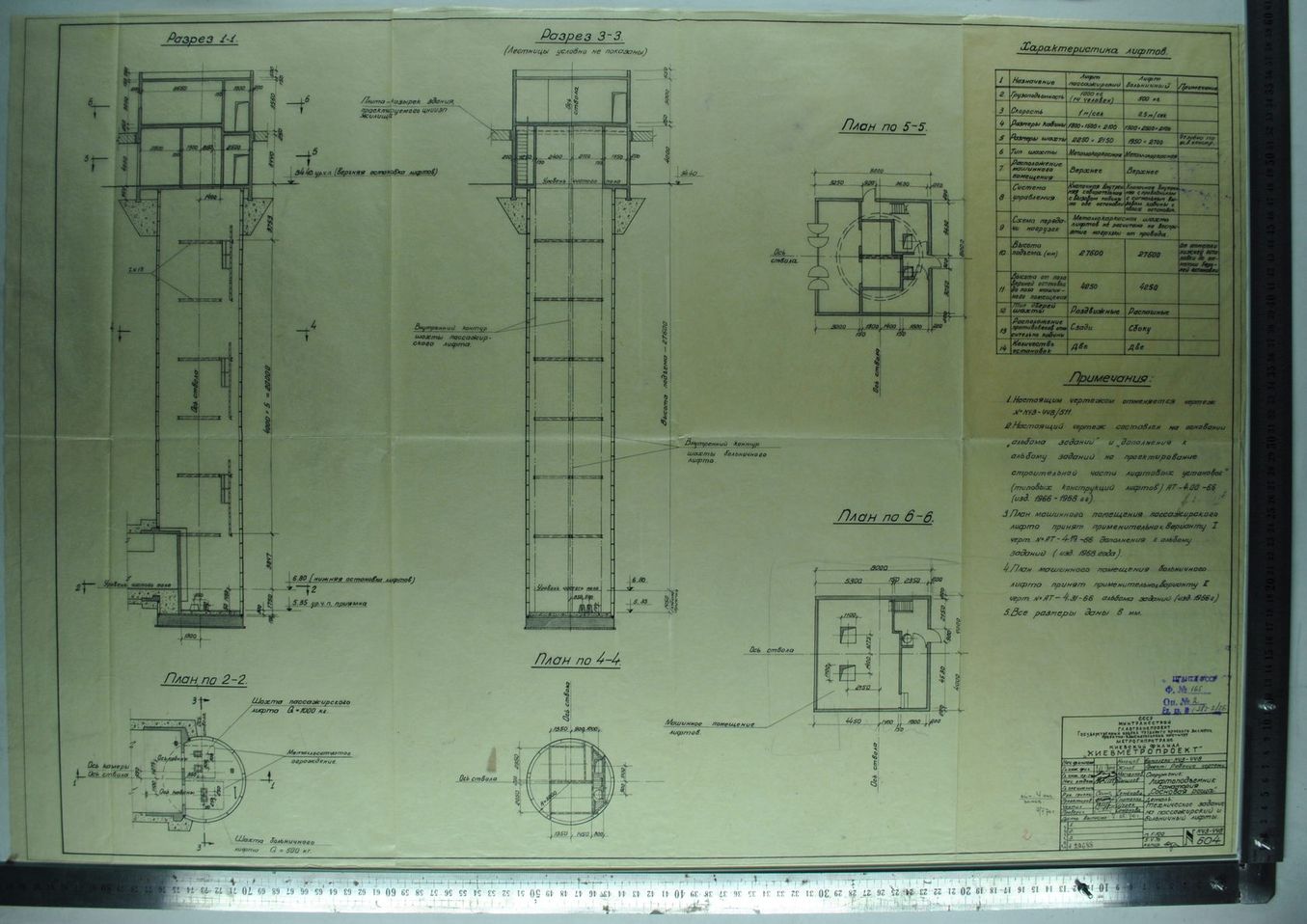
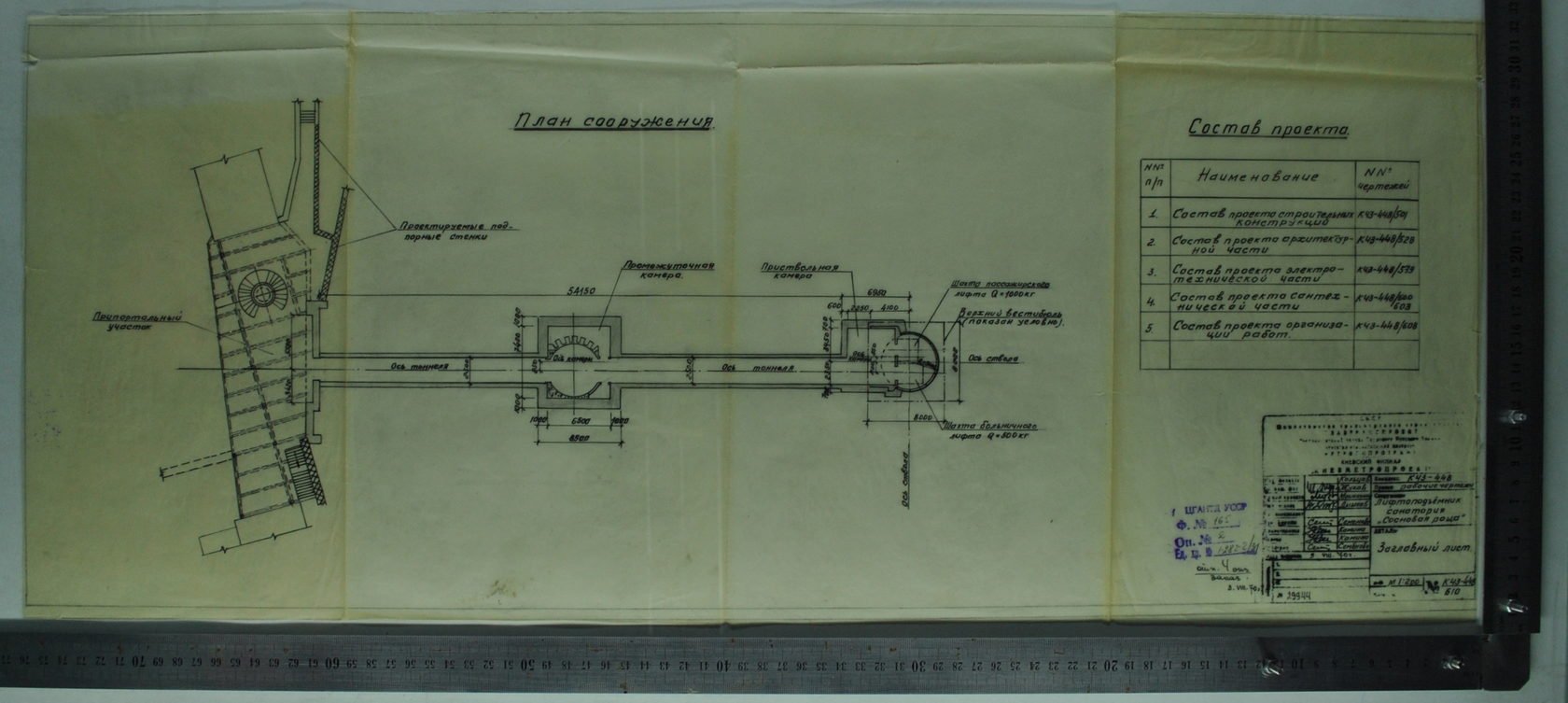
- Shaft Elevator Lifts ("Sosnovyi Hay" Sanatorium, Yalta/Miskhor): ascent/descent of up to 170 people/hour, with tunnels and shafts engineered for 8-point seismicity.
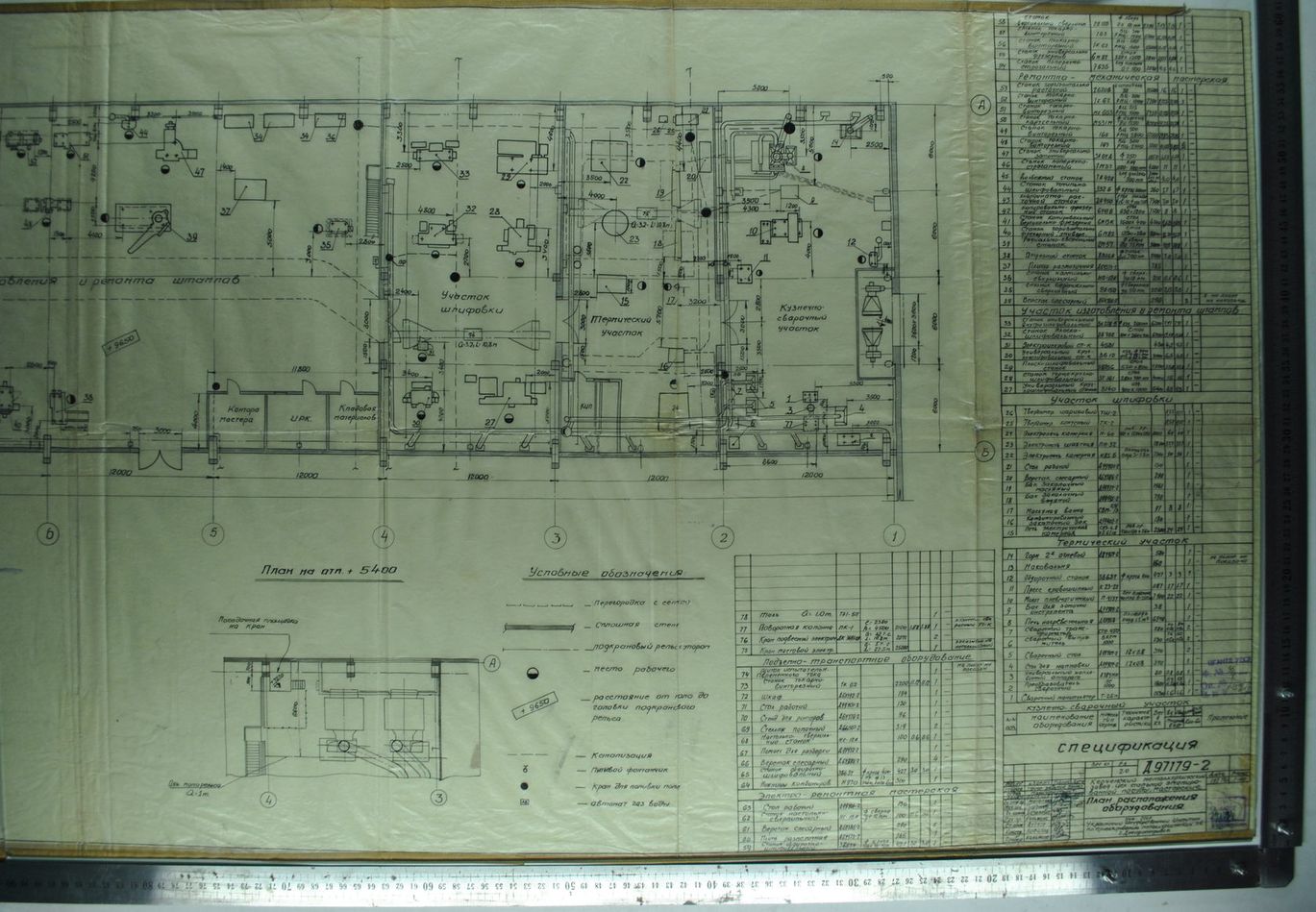
- P. L. Voykov Kerch Metallurgical Plant: an adjacent enterprise that manufactured specialized structures and enameled cookware.
Sources and Links
- Decade-Long Stagnation of the Crimean Sanatorium and Resort Industry — article by Petro Volvach in the Krymska Svitlytsia newspaper (2017, No. 13–14) about the decline and destruction of Crimea's sanatorium and resort sector in the post-war decade (1944–1954).
- Infrastructure Projects in Crimea (source) — holdings of TsDNTA of Ukraine (R-31, K.1-515; R-37, K.1-506; F.R-165, K. 1-282; F.R-35, K. 1-252).
- Petro Volvach — researcher of Crimean history, author of the material on the decade-long stagnation of the sanatorium and resort industry.
- Infrastructure Projects in Crimea — overview of infrastructure construction in Crimea.
- Water Supply of Crimea in the Post-War Decade (1944–1954) — concept regarding the deficit of drinking and industrial water on the peninsula and in resort towns.
- Food Supply Situation in Crimea in the Post-War Decade (1944–1954) — concept regarding the food crisis and provisioning of vacationers.
- History of Tourism and Excursion Business in Crimea — history of recreational development of the peninsula.
- Yalta — the main resort center of the Southern Coast of Crimea.